2026. 1. 23. 16:17ㆍFood & Agriculture
오늘날 우리가 먹는 빵, 파스타, 과자의 핵심 재료인 '밀'은 단순한 곡물을 넘어 인류 문명을 탄생시킨 주인공입니다. 약 9,000년 전, 인류가 떠돌이 생활을 청산하고 한 곳에 정착하게 된 결정적인 계기는 무엇이었을까요? 비옥한 초승달 지대에서 시작된 인류 최초의 농업 혁명, 그 중심에 있었던 밀의 이야기를 시작합니다.
🌾인류 문명의 첫걸음, 밀의 기원과 농업 혁명
비옥한 초승달 지대 : 밀의 고향
밀의 역사는 중동의 비옥한 초승달 지대(Fertile Crescent)에서 시작되었습니다. 현재의 이라크, 시리아, 터키 동남부 지역을 잇는 이 초승달 모양의 지역은 야생 밀이 자라기에 최적의 환경을 갖추고 있었습니다. 고대 인류는 이곳에서 우연히 발견한 야생 밀을 수확하며 농경의 가능성을 발견했습니다.
고대 곡물, 에머(Emmer)와 아인콘(Einkorn)
우리가 지금 먹는 밀과는 모습이 많이 달랐던 초기 밀 품종들이 있었습니다.
- 아인콘(Einkorn) : '한 알'이라는 뜻으로, 낟알이 작고 껍질이 단단해 가공이 어려웠지만 생명력이 매우 강했습니다.
- 에머(Emmer) : 아이콘보다 알이 굵고 수확량이 많아 고대 이집트 문명을 지탱하는 핵심 식량이 되었습니다.
정착 생활과 도시 문명의 탄생
밀 농사가 시작되면서 인류의 삶은 완전히 바뀌었습니다.
- 인구의 폭발적 증가 : 식량 저장이 가능해지면서 더 많은 인구를 부양할 수 있게 되었습니다.
- 사회적 계급 형성 : 잉여 생산물을 관리하는 과정에서 초기 국가 형태와 계급이 발생했습니다.
- 문자와 기록 : 수확량을 기록하기 위한 필요성이 점차 문자의 발명으로 이어졌습니다.
🌾제국의 동력에서 세계의 주식으로 : 밀의 대확산
로마 제국을 지탱한 황금빛 엔진
밀의 역사에서 가장 역동적인 시기는 로마 제국 시대입니다. 로마는 시민들에게 저렴하게 빵을 공급하기 위해 '안노나(Annona)'라는 식량 배급 제도를 운영했습니다. 이를 위해 이집트와 북아프리카를 '제국의 빵바구니'로 삼아 대규모 밀 농장을 운영했으며, 이는 로마 군단이 유럽 전역으로 영토를 확장하는 원동력이 되었습니다.
산업 혁명과 제분 기술의 혁신
18세기 산업 혁명은 밀의 가공 방식을 완전히 바꾸어 놓았습니다.
- 롤러 제분기(Roller Mill) : 기존의 맷돌 방식보다 훨씬 곱고 하얀 밀가루를 대량 생산하게 되었습니다.
- 저장성과 유통 : 정제된 밀가루는 보관 기간이 길어지면서 전 세계적인 유통이 가능해졌고, 빵은 인종과 계급을 넘어선 보편적인 식량이 되었습니다.
신대륙으로의 항해: 콜럼버스의 교환
1492년 이후, 옥수수가 구대륙으로 건너온 것처럼 밀은 유럽인들을 따라 아메리카 대륙으로 건너갔습니다. 북미의 넓은 평원은 밀 재배에 완벽한 장소였으며, 오늘날 미국과 캐나다가 세계 최대의 밀 수출국이 된 역사적 배경이 되었습니다.
🌾밀의 두 얼굴 : 풍부한 영양과 글루텐의 역설
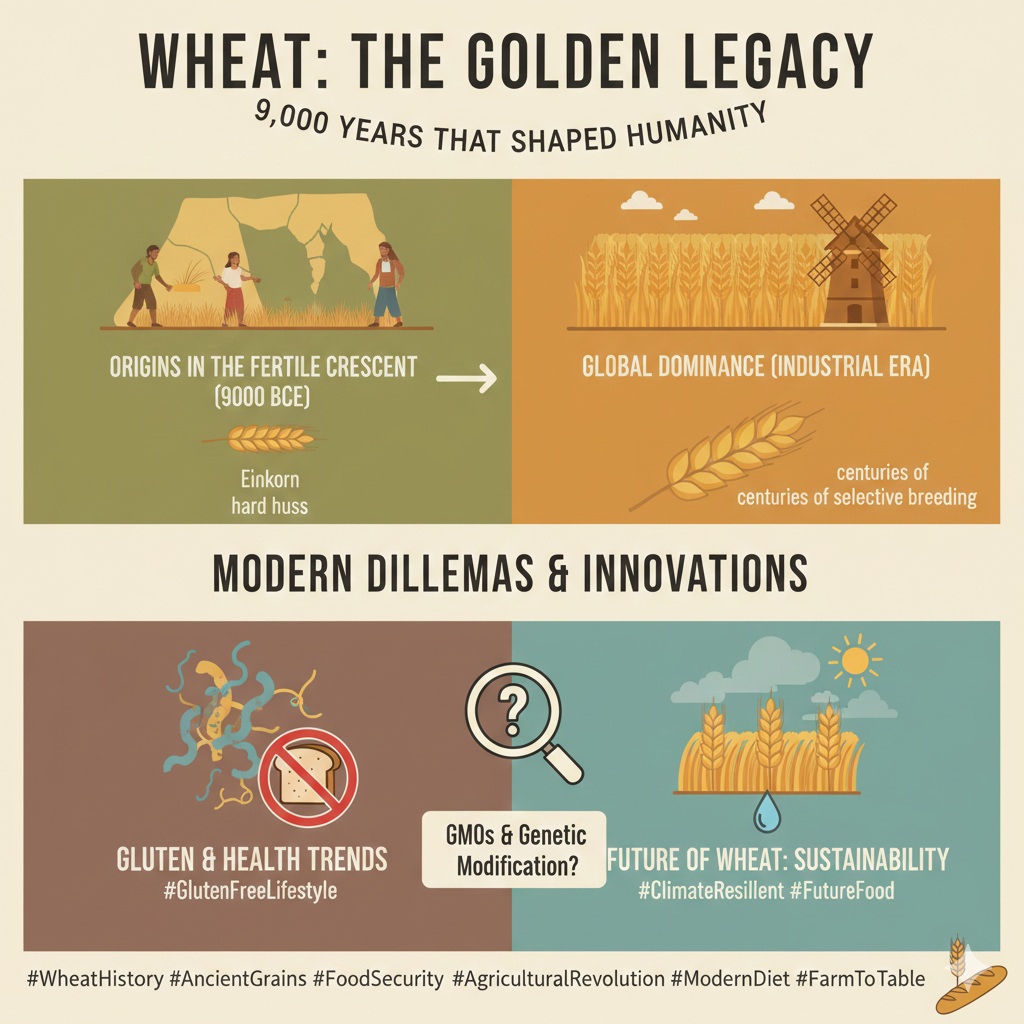
Figure 1. Wheat: From Ancient Fertile Crescent to Modern Staple
인류를 지탱한 황금빛 영양소
밀은 인류가 섭취하는 식물성 단백질의 약 20%를 차지할 만큼 중요한 영양 공급원입니다.
- 에너지원 : 복합 탄수화물이 풍부하여 지속적인 에너지를 제공합니다.
- 비타민과 미네랄 : 특히 통밀(Whole Wheat)은 비타민 B군, 철분, 마그네슘, 그리고 식이섬유가 풍부해 심혈관 건강에 도움을 줍니다.
- 식감의 핵심, 글루텐 : 밀 특유의 쫄깃한 식감은 단백질의 일종인 '글루텐' 덕분입니다. 이는 빵이 부풀어 오르게 하고 파스타의 면발을 유지하는 필수 요소입니다.
현대의 딜레마 : 왜 글루텐이 문제가 되었을까?
과거에는 귀했던 밀이 현대에 들어 건강 논란의 중심에 서게 된 이유는 무엇일까요?
- 과도한 정제 : 껍질을 제거한 하얀 밀가루는 혈당을 급격히 높이는 주범이 되었습니다.
- 셀리악병과 민감성 : 인구의 소수는 글루텐을 소화하지 못하는 '셀리악병'을 앓고 있으며, 최근에는 질환이 없어도 복부 팽만감을 느끼는 '글루텐 민감성' 독자가 늘고 있습니다.
- 육종의 변화 : 수확량을 늘리기 위해 개량된 현대 밀 품종이 과거보다 더 강한 글루텐 구조를 가지게 되었다는 견해도 존재합니다.
결론
작은 야생 풀에 불과했던 밀은 인류를 '정착'이라는 새로운 세계로 인도했습니다. 밀이 없었다면 거대한 피라미드도, 고대 메소포타미아의 도시들도 존재하지 않았을지 모릅니다. 다음 포스팅에서는 이 황금빛 곡물이 어떻게 로마 제국을 거쳐 전 세계로 뻗어 나갔는지 그 역동적인 확산 과정을 살펴보겠습니다.
🌾The Dawn of Civilization : The Origin of Wheat and the Neolithic Revolution
Introduction
The bread on your morning table is the result of a 9,000-year journey. Wheat, once a humble wild grass in the Middle East, became the catalyst for the Neolithic Revolution—the most significant turning point in human history. This post explores how wheat transformed us from nomadic hunter-gatherers into the architects of modern civilization.
1. The Fertile Crescent: Where the Golden Legacy Began
Wheat's story begins in the Fertile Crescent, a region encompassing modern-day Iraq, Syria, Lebanon, Jordan, Israel, and southeastern Turkey.
- Environmental Advantage : After the last Ice Age, this area provided the perfect Mediterranean climate for wild cereals to thrive.
- The First Selection : Ancient humans began harvesting wild grains, noticing that some stayed on the stalk longer (non-shattering rachis), making them easier to collect—the first step toward domestication.
2. Ancient Ancestors: Einkorn and Emmer
Before the modern bread wheat we know today, two primary ancestors sustained early humans:
- Einkorn (Zea mays' botanical peer in importance) : Meaning "single grain, " it was the hardiest of early wheats, resistant to poor soil and harsh weather.
- Emmer : A more robust descendant that became the staple of the Ancient Egyptian Empire, used to bake the bread that fed the pyramid builders.
3. From Nomads to Nation Builders
The cultivation of wheat forced a radical shift in human behavior:
- Permanent Settlement : Because wheat requires months of care from sowing to harvest, humans built permanent dwellings, leading to the first villages like Jericho and Çatalhöyük.
- Surplus and Specialization : For the first time, not everyone had to hunt or gather. Surplus grain allowed for the rise of priests, soldiers, and artisans.
- The Birth of Writing : The need to track grain stores and land ownership led to the development of early bookkeeping and, eventually, cuneiform script.
Conclusion
Wheat did not just feed people; it built societies. It created the concept of "home" and "future planning." In our next post, we will travel through time to see how wheat became the "engine of the Roman Empire" and spread across the Atlantic to the New World.
🌾
"From the Roman Empire to Your Morning Toast."
서양 문명의 척추가 된 밀의 이야기가 흥미로우셨나요? 인류를 먹여 살린 또 다른 주인공들, 아시아의 생명줄 쌀(Rice)과 전천후 산업 작물 옥수수(Corn)의 이야기도 놓치지 마세요.
9,000년 인류사를 관통하는 3대 곡물의 총체적 가이드가 아래 페이지에 정리되어 있습니다.
👉 [Back to the Master Guide : The Cereal Trilogy]
📚참고 문헌 (References for the Series)
- FAO (Food and Agriculture Organization of the United Nations), "The State of Food and Agriculture".
- Dubin, J., & Fischer, R. A. (2001), "Breeding for yield potential in wheat", Crop Science.
- Pollan, M. (2006), The Omnivore's Dilemma, Penguin Press.
- Shewry, P. R., & Hey, S. J. (2015), "The contribution of wheat to human health", Food & Energy Security.
- 국립식량과학원 (National Institute of Crop Science), "밀의 재배 및 품종 육성 연구".
- Nesbitt, M., & Samuel, D. (1996), "From A. E. Watkins to the Fertile Crescent: new data on the origins of cultivated wheats", Vegetation History and Archaeobotany.
'Food & Agriculture' 카테고리의 다른 글
| 🍚The Asian Lifeline (Rice) - 동양의 정신과 생명 (0) | 2026.01.23 |
|---|---|
| 🍅토마토(Tomato)의 모든 것 : 역사, 영양, 효능 및 활용 (0) | 2025.11.09 |
| 🌽옥수수(Maize)의 모든 것 : 역사, 종류, 영양 및 활용 (0) | 2025.11.08 |